
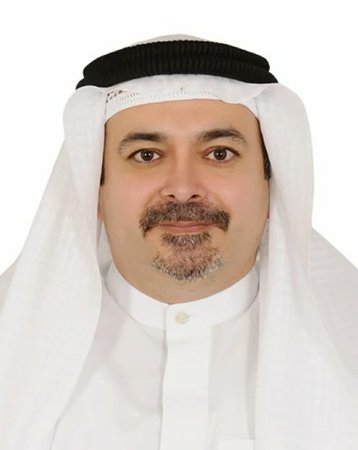
Mo Fakhro, Stanford-trained scientist and technology entrepreneur, has announced the launch of a structured India–Bahrain biotech collaboration framework aimed at accelerating cross-border research, commercialization, and scalable life sciences ventures.
Branded “Dhows to DNA,” the initiative references the historic trade routes between Indian ports such as Mumbai and Gulf commercial hubs like Manama — but its mandate is firmly future-facing: building an innovation corridor connecting Indian scientific institutions with Gulf capital, regulatory ecosystems, and expansion markets.
From Scientific Discovery to Market Deployment
Unlike conventional academic exchange programs, the India–Bahrain Biotech Corridor is designed as an implementation-led platform.
Fakhro brings experience across genomics research, technology commercialization, venture structuring, and franchise-led enterprise scaling. His approach integrates scientific discovery with operational frameworks that allow biotech solutions to move from laboratory environments into commercially viable, regionally scalable enterprises.
The initiative will prioritize:
* Translational genomics and applied biotechnology
* Climate-resilient agriculture and precision bio-manufacturing
* Structured IP co-development frameworks
* Commercialization pathways linking Indian R&D to Gulf investment ecosystems
* Replicable expansion models inspired by franchise-based scaling principles
“India’s research depth and entrepreneurial dynamism, combined with Gulf capital strength and diversification strategy, creates a powerful alignment opportunity,” Fakhro stated.
Strategic Timing
India has solidified its position as a global pharmaceutical and biotechnology powerhouse, with expanding capabilities in advanced genomics, bio-manufacturing, and health innovation. Simultaneously, Bahrain and neighboring Gulf economies are accelerating post-oil diversification strategies centered on knowledge industries and high-value technology sectors.
The proposed corridor seeks to align these trajectories through structured collaboration — connecting research institutions, investors, regulators, and enterprise operators.
Fakhro’s prior work in technology deployment and cross-border enterprise scaling underpins the framework’s commercial viability. Rather than limiting engagement to research memoranda, the initiative emphasizes operational roadmaps, capital integration, and long-term ecosystem building.
Economic and Policy Implications
The India–Bahrain biotech corridor has potential implications across:
* Life sciences exports and IP co-ownership
* Advanced manufacturing and supply chain integration
* Scientific talent mobility
* Joint venture structuring in emerging biotech verticals
* Bilateral innovation diplomacy
By combining heritage ties with structured enterprise architecture, the initiative aims to serve as a replicable model for South Asia–Gulf technology collaboration.
About Mo Fakhro
Mo Fakhro is a scientist and technology entrepreneur with experience spanning genomics, biotechnology commercialization, cross-border venture structuring, and scalable franchise-driven enterprise development. His work focuses on designing systems that connect scientific innovation with operational execution across emerging markets.
More information: https://mofakhro.com/

Mo Fakhro Launches India–Bahrain Biotech Corridor Integrating Genomics, Technology Commercialization And Scalable Enterprise Models